Retro I Don't Always Play Disc Golf
As an embroidery designer and product reviewer, I’ve seen my fair share of digital files. But when I came across the Retro I Don't Always Play Disc Golf design, it immediately caught my eye. The playful tone, retro aesthetic, and clear visual message make it a strong candidate for a variety of embroidery projects. Whether you're working on custom apparel, handmade gifts, or small business merchandise, this design has potential—but like any good embroidery file, it needs to be approached with care.
The First Impression: A Retro, Playful Twist
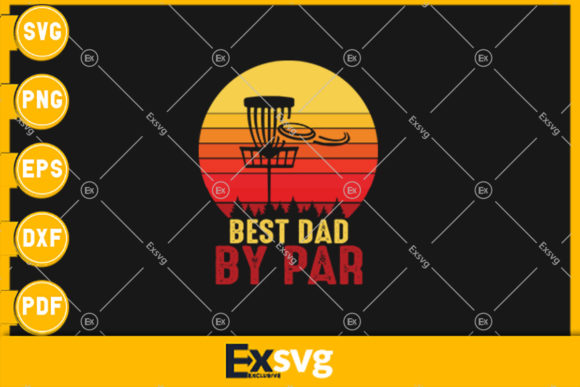
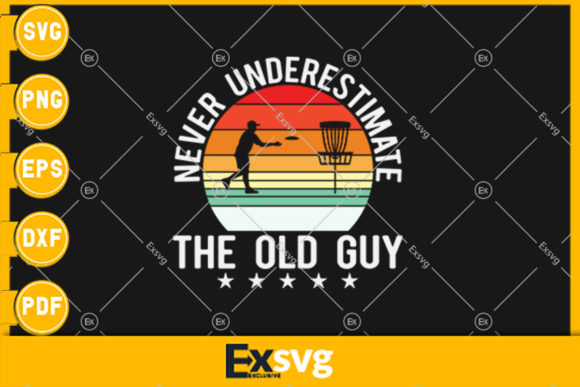
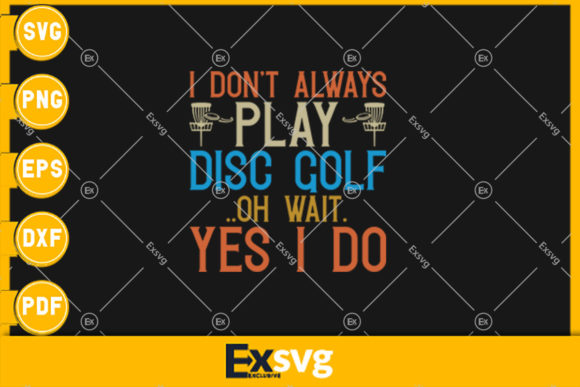
From the moment I opened the Retro I Don't Always Play Disc Golf file, I was struck by its bold, nostalgic feel. The design is simple but effective—featuring a stylized disc golf player in a retro-inspired layout. The typography is clean, the imagery is clear, and the overall composition feels well-balanced. It’s the kind of design that could easily translate into a fun, recognizable embroidered patch or a humorous tote bag print.
The theme is lighthearted and relatable, which makes it perfect for casual wear or personalized gifts. It’s not overly complex, which is a plus for embroidery work where too much detail can lead to stitching issues. The shape and layout suggest it would work best on flat surfaces like t-shirts, sweatshirts, or tote bags rather than curved areas like caps or hats.
Real-World Embroidery Use Cases
When considering how Retro I Don't Always Play Disc Golf performs in real-life embroidery situations, there are several practical factors to keep in mind. For example, if you’re planning to use it on a custom apparel project, like a sweatshirt or t-shirt, the design should hold up well with standard embroidery techniques. The stitch density isn’t overly dense, so it should work on most machines without causing strain or puckering.
For a handmade product, such as a baby onesie or a pillow cover, the design’s simplicity helps maintain clarity. However, if you're using it on a delicate fabric or a thin material, you’ll need to ensure proper stabilizer use to prevent distortion. The same goes for stretchy fabrics—without the right support, the design might lose its shape after washing.
This design also works well for personalized gifts or holiday items. Imagine a festive mug with the design, or a custom apron for a disc golf enthusiast. The retro vibe adds a unique touch that stands out from generic designs. But again, the key is to test it first—especially on dark fabrics where thread color contrast matters.
Where to Be Careful: Common Embroidery Pitfalls
While Retro I Don't Always Play Disc Golf is a solid design, there are certain scenarios where it may not perform as well. For instance, if you're working with small hoop sizes, the design might be too large to fit comfortably. That could lead to stitching errors or uneven placement. Similarly, if you're trying to apply it to a textured fabric or a thin material, the design might not sit flush or could become distorted during the process.
Another thing to watch for is the use of satin stitch or fill stitch in areas with intricate details. If the design includes tiny lettering or sharp corners, those elements might not come out cleanly. It’s always a good idea to do a test run on scrap fabric before committing to a final project.
If you're planning to use this as an applique design, you’ll want to check whether the file supports that technique. While the description mentions SVG, DXF, PNG, PDF, and EPS formats, it doesn’t specify whether it's optimized for applique. That’s something to clarify before moving forward.
Visual Appeal and Customer Perception
One of the biggest advantages of Retro I Don't Always Play Disc Golf is its ability to catch attention. The humor and retro flair make it memorable, which is great for customer engagement. When used on a custom apparel item, it can elevate the perceived value of the finished product, especially if it’s well-executed and professionally stitched.
However, the success of the design ultimately depends on how it’s presented. A poorly executed embroidery job, no matter how great the design, can turn off potential buyers. That’s why it’s important to focus on stitch density, thread colors, and hoop size when preparing the design for production.
For Etsy sellers or craft business owners, this design could be a valuable addition to your design assets. It’s versatile enough to work on a range of products, from embroidered patches to printable mockups. Just be sure to test it thoroughly and consider how it will look on different backgrounds and materials.
Practical Designer Notes
As someone who’s worked with countless embroidery files, I always recommend starting with a test. Before using Retro I Don't Always Play Disc Golf on a client project or a commercial order, try it on a scrap piece of fabric. This will help you identify any potential issues with the design, such as poor stitch flow or misalignment.
Also, pay close attention to the stitch density. If the design is too dense, it could cause the fabric to pucker or the threads to break. On the flip side, if it’s too light, the design might not show up clearly. Finding the right balance is key to a successful embroidery project.
Lastly, don’t forget about licensing. Even though the file is described as a Print Template in the Graphics category, it’s always wise to confirm whether it’s suitable for commercial use. Some files may have restrictions that aren’t immediately obvious, so double-check before selling anything.
Final Thoughts: A Fun, Functional Design
Retro I Don't Always Play Disc Golf is a design that offers both personality and practicality. Its retro charm and clear message make it a great fit for a wide range of embroidery projects. Whether you're creating a personalized gift, a small shop product, or a commercial embroidery item, this file has the potential to add value and appeal.
But like any good design, it requires thoughtful application. With the right techniques, materials, and preparation, Retro I Don't Always Play Disc Golf can become a standout element in your collection of digital embroidery files. Just remember to test it, adjust as needed, and always prioritize quality over speed.